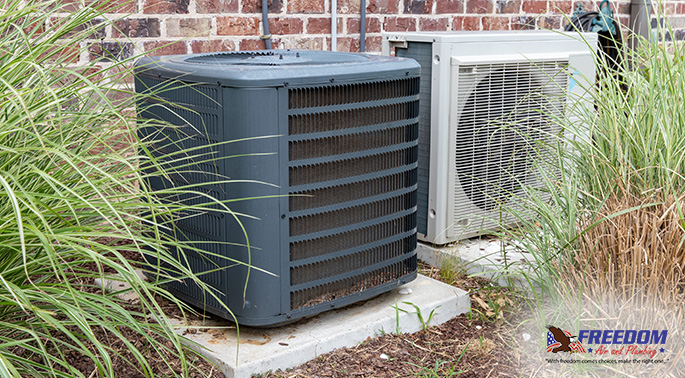

Florida winters are mild but can still make homes feel chilly. Many homeowners in Brevard and Indian River counties use heat pumps to heat and cool their homes. It can be alarming if you notice your heat pump blowing cold air in the middle of winter. Freedom Air & Plumbing offers trusted heat pump services to homeowners in Rockledge and the surrounding areas. We diagnose and repair all heat pump makes and models, and can restore your system’s heating function. Understanding normal heat pump behavior can help you identify when your system needs service and when it’s functioning as designed.
Heat pumps operate differently from traditional furnaces. Instead of generating heat, they move it from the outdoors into your home. Even cold outdoor air contains usable thermal energy. Refrigerant absorbs that energy and transfers it indoors. The indoor coil releases heat into the living spaces, gradually warming the rooms. This steady process improves energy efficiency compared with hot blasts from conventional heaters.
Why Heat Pump Air Feels Cooler Than a Furnace
One reason heat pump air feels cooler than furnace air is that it is delivered at a lower temperature. Furnaces typically supply air above 120°F, while heat pumps produce air between 85 and 110°F. This difference is typical and expected. The air still warms the rooms, though it may feel a little less intense than a furnace.
Another factor is that heat pumps focus on maintaining consistent indoor temperatures rather than rapid heating. The system runs longer cycles, which can temporarily make the air feel cooler. Ceiling height, vent placement, and room size can also affect how quickly warm air spreads, creating a perception of cooler airflow even when the system is operating normally.
Defrost Mode and Temporary Cold Air
Heat pumps occasionally enter defrost mode during the winter. Coastal humidity and frost accumulation on outdoor coils can block heat transfer. During defrost, the system temporarily reverses operation to melt ice. While this occurs, indoor air may feel cooler for several minutes.
This brief cold airflow is normal and resolves automatically once the frost melts. Occasional defrost cycles are common on cool mornings in Florida. However, frequent or prolonged defrosting may indicate a need for maintenance or an underlying problem with the outdoor unit.
Common Problems That Cause Cold Air
Sometimes cold air indicates a problem that requires professional attention. While normal behavior includes slightly cooler air and longer run cycles, persistent cold air or uneven heating may indicate problems. Coastal conditions, humidity, and system age can also contribute.
Thermostat Issues
Incorrect thermostat settings are a common cause of cold airflow. The system should remain in heat mode, with emergency heat used only when necessary. Continuous fan operation can unnecessarily circulate cooler air. Thermostats not configured for heat pump operation may prevent proper heating. Regularly verifying settings ensures the system runs as intended.
Dirty Air Filters
Dirty air filters restrict normal airflow, limiting heat transfer. Florida’s humidity accelerates dust and pollen accumulation, especially in coastal areas. Pets increase filter debris. Restricted airflow reduces system efficiency and may make vents feel cooler. Replacing or cleaning your filters every 1 to 3 months helps maintain consistent airflow.
Low Refrigerant Levels
Refrigerant absorbs heat, so low levels limit heating capacity. Leaks prevent the system from reaching the set temperature. Low refrigerant can cause ice buildup on indoor and outdoor coils. Operating with insufficient refrigerant stresses the compressor and other components. Professional service becomes necessary to detect leaks and restore proper levels.
Airflow Restrictions
Blocked supply or return vents reduce system performance. Furniture or rugs covering vents can limit airflow. Closed returns prevent proper circulation, creating pressure imbalances. Restricted airflow results in cold air at the supply registers and uneven room heating. Clearing obstructions restores efficiency.
Reversing Valve Problems
The reversing valve controls heating and cooling operations. A malfunctioning valve can trap the system in cooling mode, resulting in cold airflow during winter. Symptoms include unusual outdoor unit sounds and persistent cool air despite correct thermostat settings. Only a professional can safely diagnose and repair reversing valve issues.
Outdoor Unit Problems
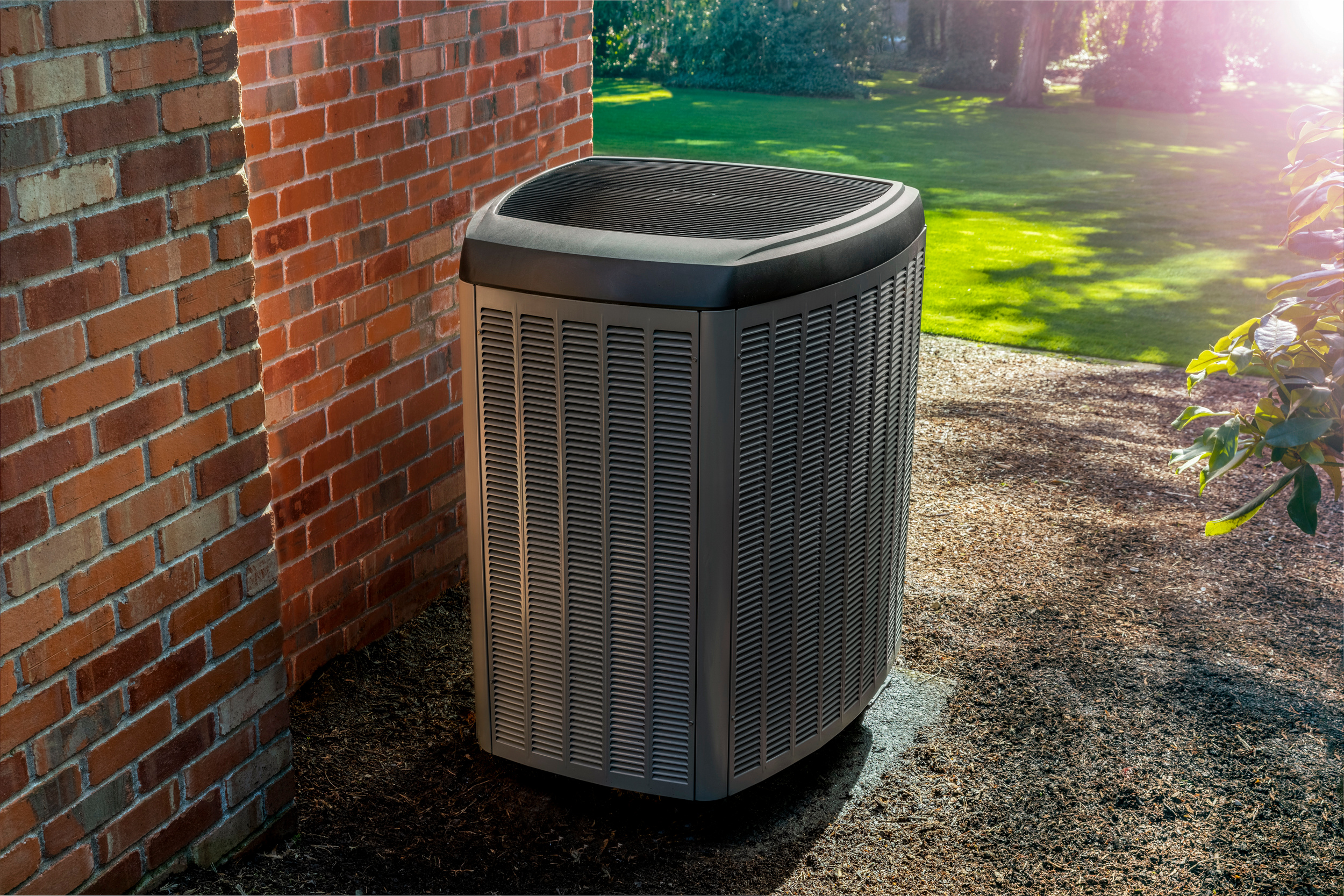
Coastal salt air and humidity can corrode outdoor components. Debris, leaves, or sand accumulation reduces heat absorption. Dirty coils or blocked fins lower efficiency, making the supply air cooler. Regular inspection and cleaning of outdoor units prolongs system life and maintains performance.
Troubleshooting Steps You Can Safely Take
There are a few troubleshooting tasks you can take before calling our professionals. These steps often resolve minor comfort issues without specialized tools.
Check Your Thermostat Settings
Confirm the system is in heat mode. Ensure the fan is set to auto, not continuous. Avoid using emergency heat unless recommended. Correct thermostat operation supports proper airflow and prevents cold air.
Inspect and Replace Filters
Check filters for dust, debris, or pet hair. Replace or clean them as necessary. Clean filters maintain airflow, protect components, and improve heat transfer. Florida homes, especially near the coast, may require more frequent attention.
Ensure Clear Vents
Verify that all supply and return vents are unobstructed. Remove furniture or rugs blocking airflow. Open vents evenly throughout the home. Balanced circulation ensures the system delivers heat to every room.
Observe Outdoor Unit Operation
Listen for unusual noises or vibrations. Check for visible debris or buildup on coils. Observe if frost forms excessively during defrost cycles. Noticing abnormal operation can prevent bigger problems from developing.
When to Call a Professional
Even with proper troubleshooting, some issues require professional service. Persistent cool air, uneven heating, or ice on the coils indicate the need for expert services.
If refrigerant levels get too low, a professional must detect and repair leaks. Reversing valve or compressor issues also require trained technicians. Extended frost cycles or unusual noises from the outdoor unit indicate you need professional repair services from our experts. Coastal exposure may accelerate wear, so early inspection preserves equipment lifespan.
Ignoring problems can lead to higher energy bills, reduced comfort, and costly repairs. Professional service ensures your heat pump continues to operate efficiently through Florida winters.
Seek Our Professional Diagnostics and Repair
Cool air coming from your vents can be normal, but it can also indicate internal issues. Heat pumps operate differently from furnaces, emphasizing steady, energy-efficient warmth. Long cycles, moderate supply temperatures, and defrost mode explain the temporary reduction in cool airflow.
Regular maintenance is essential. Clean filters, clear vents, and periodic professional inspections protect system efficiency. Coastal conditions make routine service even more important. Understanding regular operation and recognizing warning signs helps you maintain comfort all winter. With proper care, your heat pump will continue providing reliable, year-round comfort for your Florida home.
Freedom Air & Plumbing is your local, full-service HVAC provider. We offer installation, maintenance, and repairs for all major heat pumps and HVAC systems. We also offer emergency repairs when your heat pump breaks down, leaving your family uncomfortable. We’ve proudly served Brevard and Indian River counties since 2004.
Contact Freedom Air & Plumbing right away to schedule heat pump repair in Rockledge and the surrounding areas. Let us handle all your heat pump service needs.